Your Crypto, Your Vault: Why the Trezor Hardware Wallet is Essential
In the rapidly evolving world of cryptocurrency, one mantra has become gospel: "Not your keys, not your crypto." This principle underscores the vital importance of self-custody—taking full, personal control of your digital assets. Leading the charge in making self-custody secure and accessible is the Trezor Hardware Wallet, often hailed as the world’s first and one of the most trusted names in the space.
The Problem: Online Vulnerability
When you keep your cryptocurrency on an exchange or a software wallet that's constantly connected to the internet (a "hot wallet"), your private keys—the secret codes that prove ownership of your coins—are at risk. They can be exposed to a myriad of online threats, including:
Phishing scams: Tricking you into giving up your credentials.
Malware and viruses: Software that monitors your computer for keystrokes or sensitive files.
Exchange hacks: Centralized platforms are attractive targets for sophisticated hackers.
A Trezor hardware wallet solves this problem by providing cold storage.
Trezor: A Fortress for Your Private Keys
A Trezor is a small, single-purpose electronic device designed to do one thing exceptionally well: securely store your private keys offline. It acts as a miniature, isolated computer for signing transactions. Here's how its security mechanism works:
Isolation: Your private keys are generated and stored inside the Trezor's secure chip, which is never connected to the internet.
Transaction Signing: When you want to send crypto, you connect your Trezor to your computer or phone (via USB). The transaction details are sent to the Trezor.
On-Device Confirmation: Crucially, the transaction is signed inside the device using your private key. You must physically confirm the details (address and amount) on the Trezor's screen by pressing a button or using the touchscreen.
No Exposure: The private key never leaves the device and is never exposed to the potentially infected computer you're using.
This means even if your PC is riddled with malware, a hacker still cannot steal your funds because they cannot initiate or approve a transaction without physical access to your Trezor and your PIN.
Models to Suit Every Investor
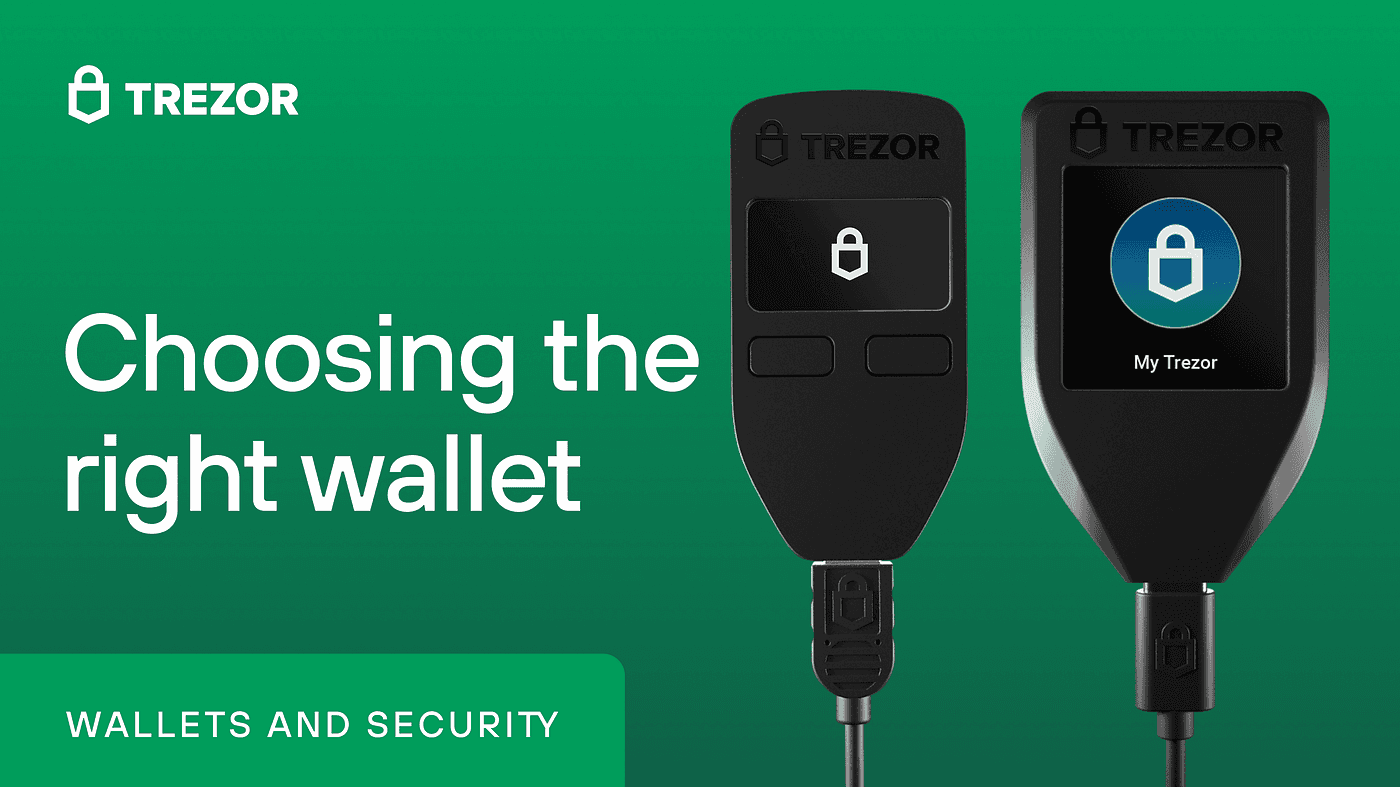
Trezor offers a range of models, most notably the classic Trezor One and the more advanced Trezor Model T (as well as newer models like the Safe 3 and Safe 5).
FeatureTrezor OneTrezor Model TDisplaySmall monochrome OLEDLarger, color touchscreenInputTwo physical buttonsTouchscreenPIN/Passphrase EntryOn-computer (masked)Directly on the device's screenAsset SupportExcellent (Major coins & ERC-20)Comprehensive (Wider range including Cardano, XRP, etc.)Advanced BackupStandard 12/24-word recovery seedSupports Shamir Backup (SLIP-39)
The Model T is often preferred by power users due to its intuitive touchscreen interface for on-device PIN/passphrase entry, which further reduces the risk of computer-based keyloggers. For those prioritizing budget and time-tested security for major assets, the Trezor One remains an excellent choice.
Beyond Simple Storage: Trezor's Ecosystem
Trezor is more than just a storage device; it’s an entire security ecosystem managed through the Trezor Suite application.
Trezor Suite: A user-friendly desktop and mobile application that allows you to manage your portfolio, send/receive, and even buy, sell, or swap cryptocurrencies directly in a secure environment.
Passphrase Protection: An advanced security feature that creates a hidden, second wallet on your device, accessible only by entering an additional secret word (passphrase) every time you plug in the Trezor. This provides plausible deniability and is a top-tier security measure.
Open-Source Commitment: Trezor's software and firmware are open-source, meaning the code is publicly available for scrutiny by security experts worldwide. This transparency is a cornerstone of their security philosophy, building trust through verifiable integrity.
Your Final Safety Net: The Recovery Seed
When you set up your Trezor, it generates a Recovery Seed (a list of 12, 20, or 24 words). This seed is your ultimate master key. If your Trezor device is lost, stolen, or destroyed, you can use this seed to recover all your funds on a new Trezor or any other compatible hardware/software wallet.
Crucially, this seed must be stored offline, securely, and never digitally photographed or typed into a computer. Many experienced users now opt for fire and water-resistant metal backups for their seed phrase to protect against environmental damage.
Conclusion
For anyone serious about securing their digital wealth, a Trezor hardware wallet is not a luxury—it’s a necessity. It represents the ultimate blend of robust, battle-tested security and user-friendly accessibility, empowering you to truly be your own bank. By isolating your private keys from the internet, Trezor ensures that your crypto assets remain firmly under your control, safe from the digital risks of the connected world.